
Heart rate training on the treadmill
Indoors, pace lies and the console lies. Heart rate is the one number that tells the truth.
The treadmill is where heart-rate training earns its keep. Outdoors you at least have a felt sense of terrain and wind. On a belt, none of that exists — so the numbers in front of you become the whole story, and most of them are unreliable.
Why the machine's numbers mislead
Belt speed isn't effort. A 10:00 mile at the end of a long session, or on tired legs, or in a hot gym, costs far more than the same speed fresh — but the console reads the same. Treadmill calibration drifts, and the calorie and "heart rate" figures from console grip sensors are notoriously rough. Your actual heart rate, measured from your wrist or a chest strap, is the one signal that reflects what your body is genuinely doing.
Read your effort, don't calculate it
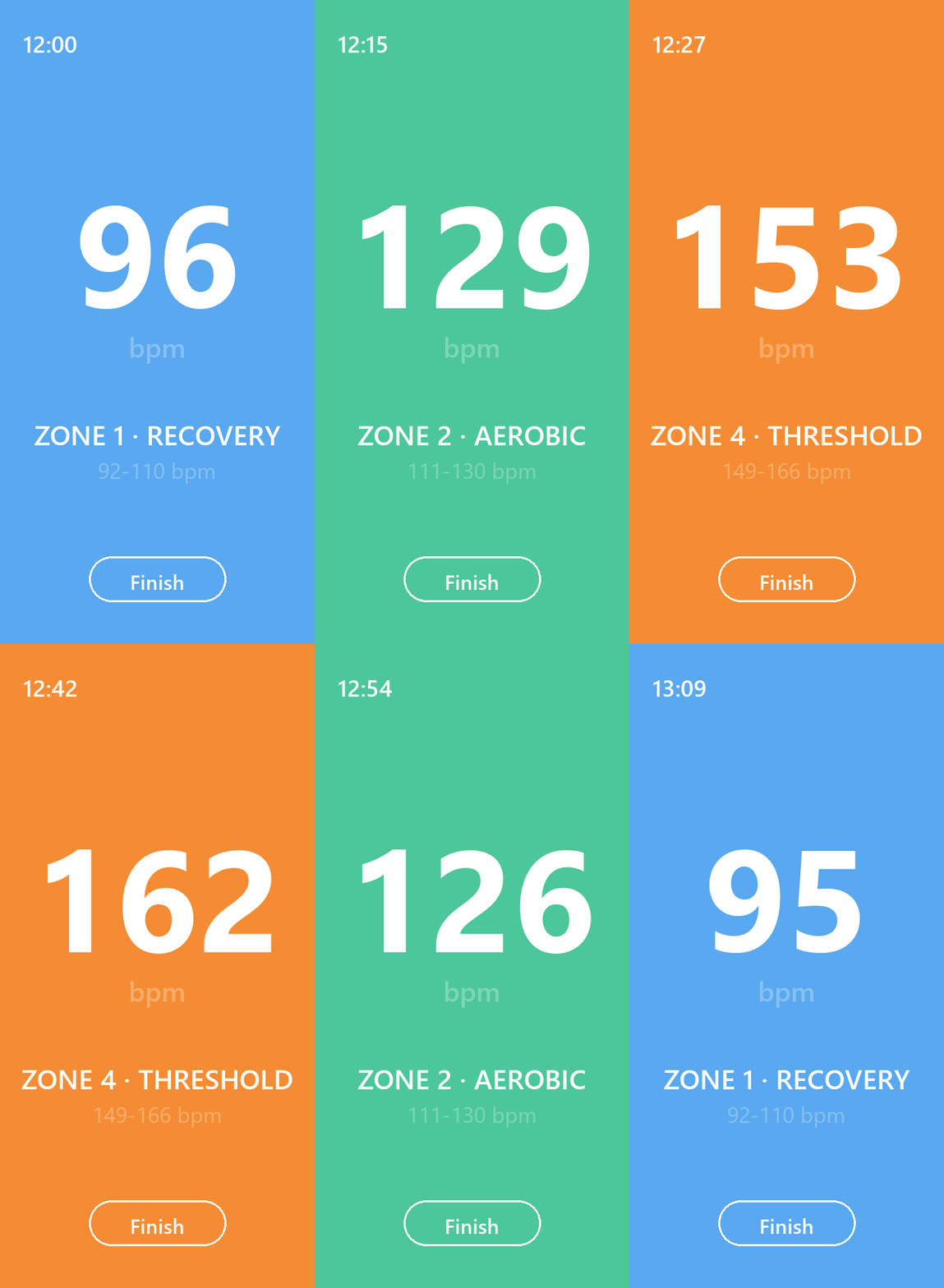
Mid-run is a bad time to squint at a two-digit number and do maths. The fix is to make effort ambient: colour instead of arithmetic. When your whole screen is the colour of your zone — green for easy, red for hard — you read it from the console in a glance, without breaking stride.
Two ways to use it indoors
- Hold an easy pace. Zone 2 is where most treadmill base miles should live, and it's the zone people leave without noticing. Set it as a target and let your watch tap you when you drift up — no need to watch the screen at all. (New to this? What is Zone 2 training.)
- Run intervals honestly. On a hard rep, chase the zone, not the speed. On the recovery, actually recover — drop until you're back in Zone 1 or low Zone 2 rather than guessing from the clock.
Incline counts
Adding incline raises effort without raising belt speed — which is exactly why pace is the wrong measure indoors and heart rate is the right one. A brisk walk at a steep grade can sit you squarely in Zone 3; the speed readout would never tell you that.
Distance won't be exact — and that's fine
Indoor distance is estimated from wrist movement, not GPS, so it won't match the belt to the metre. For zone training it doesn't need to: you're training effort, and heart rate measures effort directly. (If you want the treadmill's distance in the record, choose an indoor activity so the app doesn't wait on a GPS fix it can't get.)
In The Zone was built for exactly this. Prop your phone on the console; the whole screen becomes your zone's colour and changes as you do. Set a target zone and your Apple Watch taps your wrist when you drift. On the treadmill it can even call the zones out loud, ducking your music instead of stopping it. See what it does →
In The Zone is a training aid, not a medical device. Heart-rate zones are estimates. If something feels wrong while exercising, stop and speak to a doctor.